Quotes that balloon mid-project
The $20K quote becomes $80K by launch, one surprise at a time. Everything you assumed was included comes back as “that wasn’t in the RFP — add $15K.”
Students shortlist on search, verify on social, and decide on your website. We research that journey and build the site that carries them to enrolled.
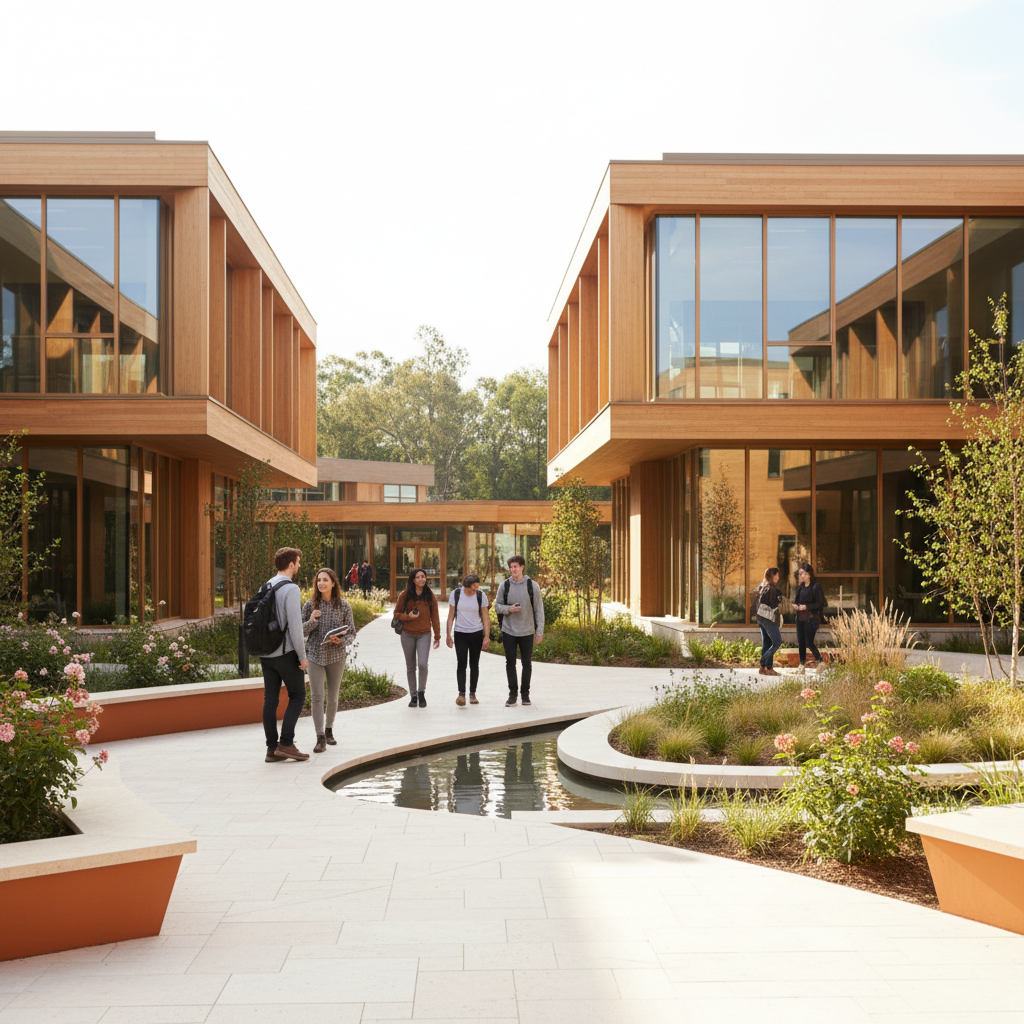 Built for how students actually decide
Trusted by 16+ brands across four continents — including education and exam-prep platforms







The $20K quote becomes $80K by launch, one surprise at a time. Everything you assumed was included comes back as “that wasn’t in the RFP — add $15K.”
The failure is politics, not technology. Every department defends its links, the homepage grows to 100 of them by consensus, and the relaunch slips a semester at a time.
Program details, outcomes, costs, and the next step buried three clicks deep — prospective students’ top frustration, and the quiet enrollment killer. They don’t complain; they just leave.
Every program page answers what students actually check — the program, outcomes, costs, and the next step — clearly enough to enroll from.
A written migration plan with every page mapped and redirected before launch, so the search visibility you’ve built carries over to the new site.
A fixed brief and a written quote before the build starts, with feedback governance built in — so the number you approve is the number you pay.
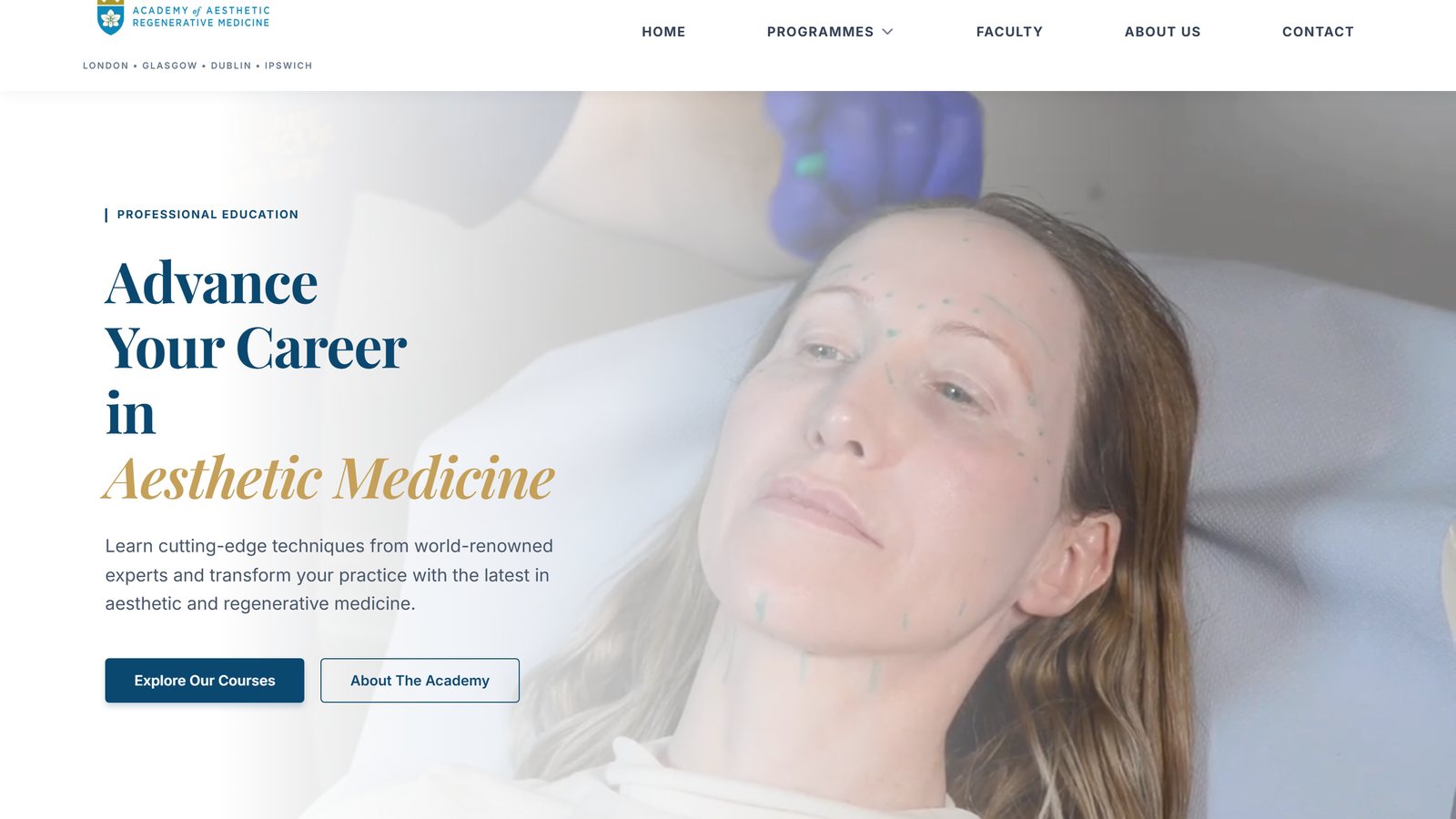
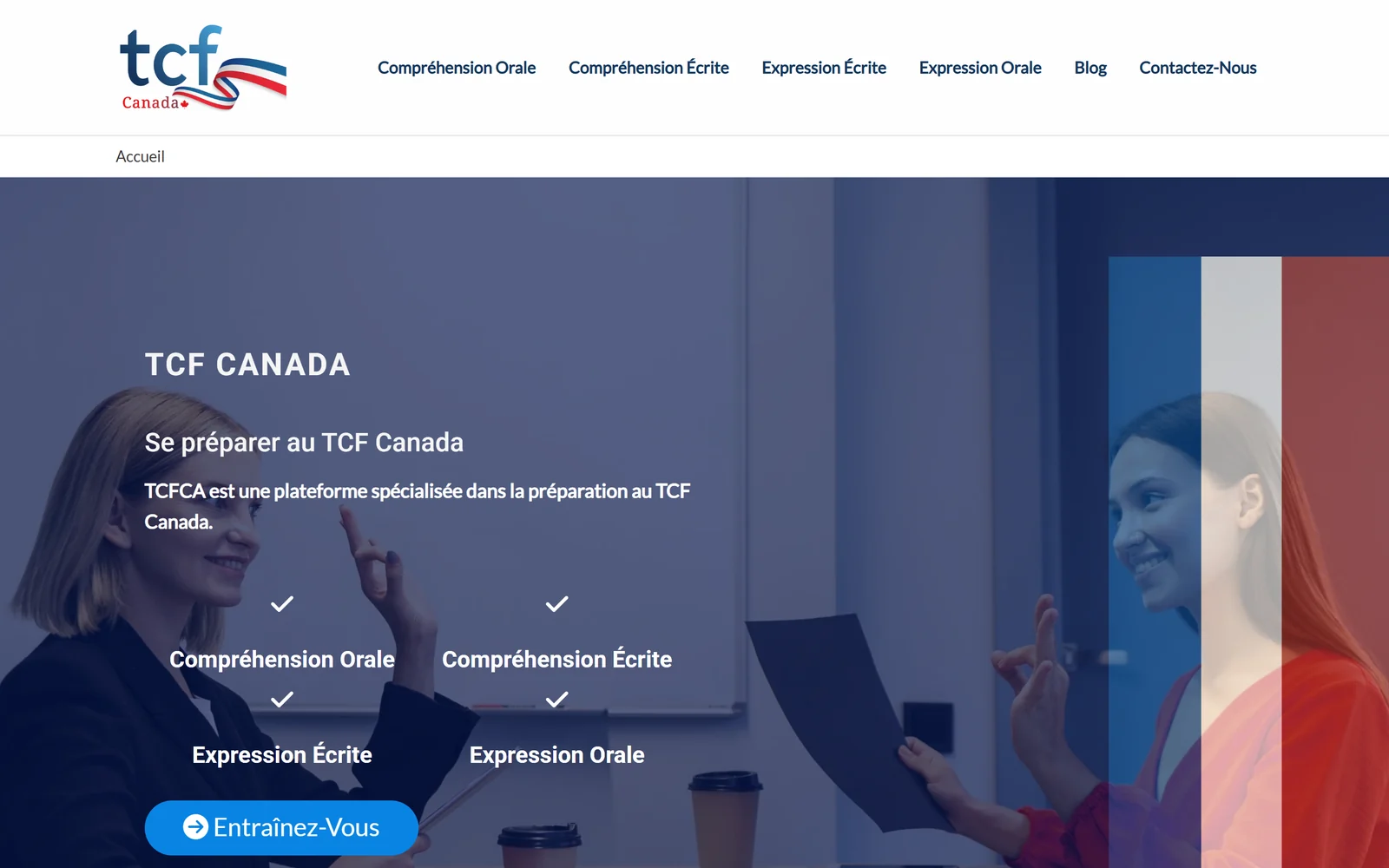
Shipped for education brands across Canada and the UK — TCF Canada, an exam-prep platform built around enrollment flow, and Aesthetic Academy, a medical-education credentialing platform.
of students use the official website at the final decision stage — and the top complaint is missing program information. Enrollment is decided on your site; we build it so that decision goes your way.(Manaferra 2025 / E-Expectations)
These are live, designed components — the same ones we build yours from. The programmes, faculty, and outcomes below are placeholder examples; your real courses, your instructors, and your student stories drop straight in.
 Degree
 Certificate
 Test prep
Filterable cards with level, length, and accreditation up front. Your real programmes populate the grid (examples shown).
A staged flow that turns a researcher into an applicant — wired to your enrollment system.
Class timetables, open days, and intake dates in one clear view — set to your academic calendar.



The people behind the programmes, given proper space — your real instructors and their credentials (sample names shown).
The application was clear from the first click, and the programme pages told me exactly what to expect before I ever enrolled.
Headline numbers and real voices placed near the decision. Your graduate stats and student quotes drop in here (placeholders shown).
CampusLibraryClassroomStudy Graduation
A gallery that lets prospects picture themselves on site. Your real campus, library, and student life fill these frames.
Trust marks and recognitions surfaced near the programmes they apply to — not buried in a footer. Your real accreditations sit here.
We learn how the institution actually runs first, then build from components designed for it, so the site fits how your prospects decide.
Send a messageResearch first, then the message, then the build — with the scope and the timeline in writing before anything starts.
How they search, which programs they compare, what they verify before applying — your programs and your competitors, studied before anything is designed.
What the site will say and why, as a written brief with a fixed quote and named approvers. You read it, ask questions, and sign off before we build. No pitch call.
Design, copy, program pages, and a migration plan that protects your rankings — built as one piece and tested before launch.
The big higher-ed agency RFP route, doing it in-house, or a partner that fixes the scope in writing first. Here's the honest version of that table.
| Higher-ed agencyThe RFP route | In-house / DIYYour team + a theme | EducationThis solution | |
|---|---|---|---|
| How scope is fixed | Scoped through the RFP — extras surface as change orders mid-build | No formal scope — the project grows quietly until it stalls | Fixed written brief and quote, signed off before the build starts |
| Migration handling | Varies by team — often a separate line item | Copy-paste and hope — redirects are an afterthought | A written migration and redirect plan — rankings protected, indexing carried over |
| Who studies your students | A strategy phase, priced at enterprise rates | Nobody — the site is built from internal opinions | We research how your students search, compare, and verify before anything is designed |
| Timeline | Often quarters, not weeks — RFP cycles add months before work starts | Open-ended — it ships when someone finds the time | Most sites live in 4–6 weeks, with the timeline in writing first |
| What change requests cost | “That wasn't in the RFP” — five-figure additions mid-project | Your team's evenings | The scope is the scope — anything new is quoted in writing, built only if you say yes |
The honest part: for 3,000+ page university sites with deep CMS integrations, a specialist higher-ed agency at scale is the right call — we shine for colleges, academies, and training institutions.
Every promise below is how we already work — in writing, before any money moves.
Every project is quoted on a written brief, because program count, migration size, and integrations change the job. For context, higher-ed website redesigns are quoted anywhere from $22K to $280K on the open market — most college and academy sites land far below the six-figure RFP tier when scope is fixed early. You'll have a written quote in five business days, free, no pitch call.
The scope is fixed before the build starts: a written brief, a written quote, and named approvers. If something new comes up mid-project, it's quoted separately in writing — and only built if you say yes. The number you approve is the number you pay.
No — protecting them is part of the build. Every page is mapped, redirects are written before launch, and indexing is carried over deliberately. You see the migration plan in the brief before anything moves.
You own everything — the domain, the code, the content, and the accounts. All of it is exportable, and there is no proprietary CMS. If we part ways, the site and every login stay with you and keep working without us.
With governance agreed up front: one brief, named approvers, and structured feedback rounds. Every department is heard at the brief stage — then the brief is the referee. It's how a redesign survives committee without becoming a 100-link homepage.
Most sites are live in 4–6 weeks once the brief is approved; larger migrations take longer, and the brief says exactly how long. Either way, the timeline is in writing before we start.
Yes — exam-prep and e-learning platforms are a specialty. TCF Canada, the French-exam prep platform we built, runs on enrollment flows and multi-language structure designed for exactly that. The same student-journey research applies; the journey just ends at checkout instead of admissions.
A few lines is enough — program count, migration size, what the site has to do. Within five business days you'll have a written brief and a fixed quote in your inbox: what we'd build, why, and exactly what it costs. No pitch call, no pressure.